Portugal has been popular with migrants for its lifestyle and relatively open rules. But the rules changed in 2025, and much of the advice online is now outdated.
What changed
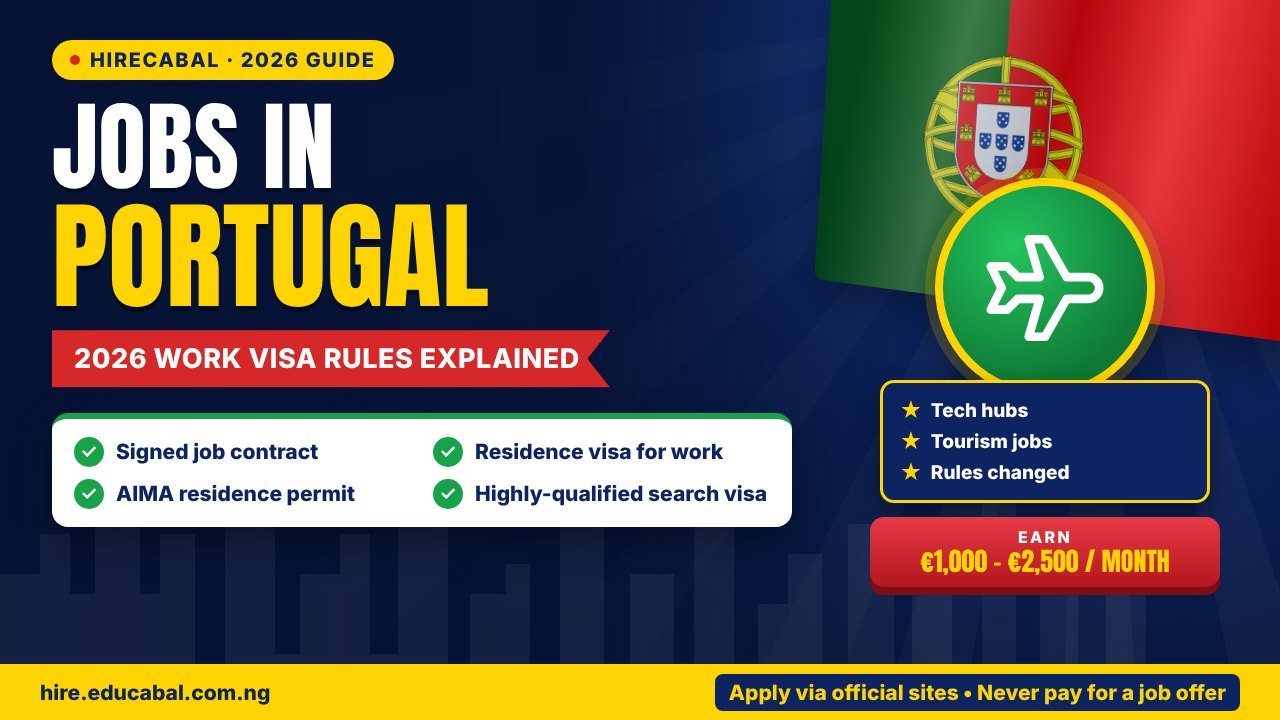
- From 23 October 2025, Portugal stopped accepting the old general job-seeker visa.
- It was replaced by a job-search visa for highly qualified people, with stricter criteria. It mainly targets graduates and experienced professionals.
Routes that work in 2026
- Work visa with a contract. Get a job offer or employment contract first, then apply for a residence visa for subordinate work at the Portuguese consulate.
- Tech Visa / highly qualified activity. Certified tech companies can hire qualified professionals through faster channels.
- EU Blue Card for degree-level jobs that meet the salary threshold.
After arrival, you complete residence formalities with AIMA, the agency that handles immigration and asylum.
Read also: Jobs in Croatia for Non-EU Workers: Construction, Tourism and Work Permits
Pay
Portuguese salaries are lower than in Northern Europe. Many roles in tourism, retail and logistics pay close to the national minimum wage, while tech and engineering roles in Lisbon and Porto commonly pay €1,500–€2,500+ per month. Plan your budget carefully, as rents have risen fast.
Where to look
- The EURES portal and the IEFP public employment service.
- Tech companies and international shared-service centres in Lisbon and Porto, many of which hire in English.



Frequently asked questions
Is the old job-seeker visa still available?
No. It stopped being accepted on 23 October 2025 and was replaced by a stricter visa for highly qualified job seekers.
Is Portuguese required?
Not for many tech jobs, but it is very useful in hospitality, retail and daily life.
What is AIMA?
The Portuguese agency that handles residence permits for foreigners after arrival.
Information checked in October 2026. Immigration rules change often, so always confirm the latest requirements on the official government website before applying or paying any fees.